
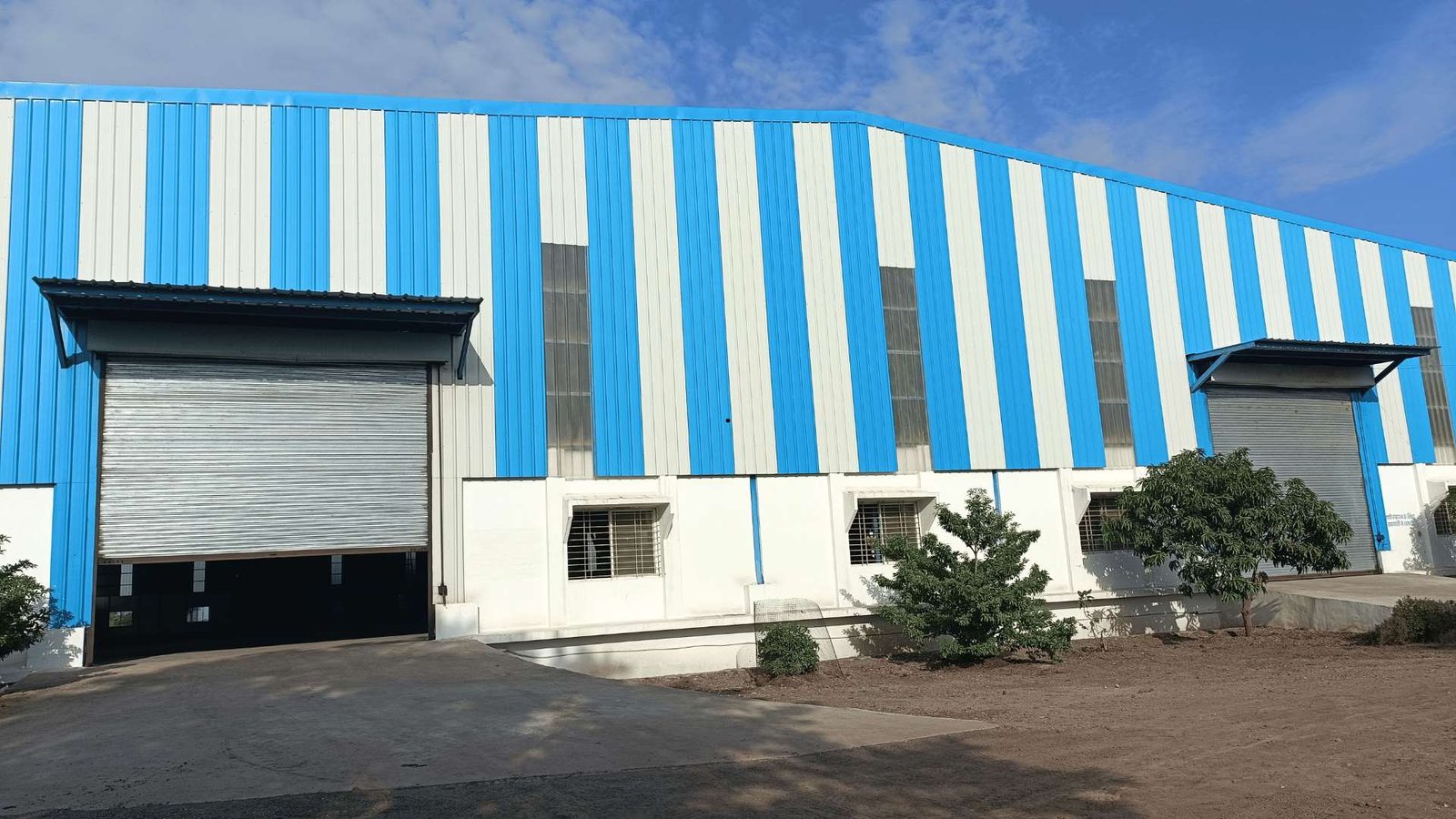
Introduction The construction industry is changing faster than ever before. Traditional construction methods are no longer able to meet the growing demand for speed, sustainability, durability, and cost efficiency. Industries, businesses, and governments are now looking for smarter building solutions that can deliver strong infrastructure in less time and at lower long-term cost. This shift has given rise to steel buildings as the future of modern construction. From industrial warehouses and factories to commercial complexes, logistics hubs, cold storage units, and infrastructure projects, steel structures are becoming the preferred construction choice worldwide. Steel buildings are not just structures — they are engineered systems designed for performance, efficiency, and longevity. Let’s understand why steel buildings are transforming modern construction and why they represent the future of the industry. 1. Faster Construction and Project Delivery One of the biggest advantages of steel buildings is speed. Steel structures are: Pre-designed using advanced engineering software Factory-manufactured in controlled environments Pre-fabricated for easy assembly Quickly installed on-site This reduces construction time by 40% to 60% compared to traditional construction methods. In today’s business environment, time equals money. Faster construction means: Faster project completion Quicker operational start Reduced labor cost Lower financial risk Better return on investment (ROI) This makes steel buildings ideal for fast-growing industries and large-scale infrastructure projects. 2. High Structural Strength and Safety Steel is one of the strongest construction materials available. Steel buildings offer: High load-bearing capacity Resistance to wind and storms Earthquake-resistant flexibility Fire-resistant design systems Long-span construction without columns Unlike traditional rigid structures, steel buildings are flexible, which helps them absorb seismic energy during earthquakes, making them safer in seismic zones. For industrial and commercial buildings where safety is critical, steel structures provide engineering reliability and long-term stability. 3. Cost Efficiency and Long-Term Savings Steel buildings are not only faster to build but also more economical in the long run. Cost benefits include: Reduced construction time Lower labor cost Minimal material wastage Optimized material usage Low maintenance cost Long building life Although initial construction cost may sometimes seem similar to traditional buildings, steel structures offer significant long-term savings through: Reduced repairs Low operational costs Energy efficiency Minimal downtime This makes steel buildings a high-value investment, not just a construction choice. 4. Design Flexibility and Future Expansion Modern businesses need buildings that can grow with them. Steel buildings offer: Modular design systems Easy future expansion Scalable layouts Flexible internal space Custom height and span options Unlike traditional construction, where expansion is complex and expensive, steel buildings can be easily modified and extended without disturbing the main structure. This flexibility makes steel buildings perfect for: Growing industries Expanding warehouses Scaling manufacturing units Developing commercial spaces 5. Sustainability and Eco-Friendly Construction Sustainability is no longer optional — it is essential. Steel buildings are environment-friendly because: Steel is 100% recyclable Construction waste is minimal Energy-efficient insulation systems can be used Carbon footprint is lower Resource optimization is high Modern steel construction supports green building concepts and sustainable development goals. With increasing focus on eco-friendly infrastructure, steel buildings align perfectly with the future of responsible construction. 6. Energy Efficiency and Smart Infrastructure Steel buildings support modern energy-efficient systems such as: Puff panels Thermal insulation Sandwich panels Energy-efficient ventilation Heat-reflective roofing These systems help in: Temperature control Reduced electricity consumption Lower HVAC cost Better indoor working conditions Improved productivity This makes steel buildings ideal for smart industrial infrastructure. 7. Low Maintenance and Long Life Cycle Traditional buildings require frequent: Repairs Painting Crack filling Waterproofing Structural maintenance Steel buildings, on the other hand, offer: Corrosion-resistant coatings Long-life materials Minimal maintenance Consistent performance Low lifecycle cost This reduces long-term operational burden and ensures long-lasting building performance. 8. Industrial Growth and Infrastructure Demand With rapid growth in: Manufacturing Logistics Warehousing E-commerce Infrastructure Smart cities The demand for fast, strong, and scalable construction is increasing. Steel buildings perfectly match this demand by providing: Fast deployment Large-span structures High load capacity Smart design integration Cost efficiency This makes steel structures the backbone of modern infrastructure development. 9. Technology Integration in Steel Construction Modern steel buildings are integrated with: BIM (Building Information Modeling) AI-based design systems Smart sensors Automation systems Digital project management This creates smart buildings that are future-ready and technology-compatible. 10. Business Growth and Long-Term ROI Steel buildings support business growth by offering: Faster market entry Scalable infrastructure Low operational costs High asset value Long-term stability For businesses, steel buildings are not expenses — they are strategic assets. Conclusion Steel buildings are not just the future of construction — they are the present and the future of modern infrastructure.
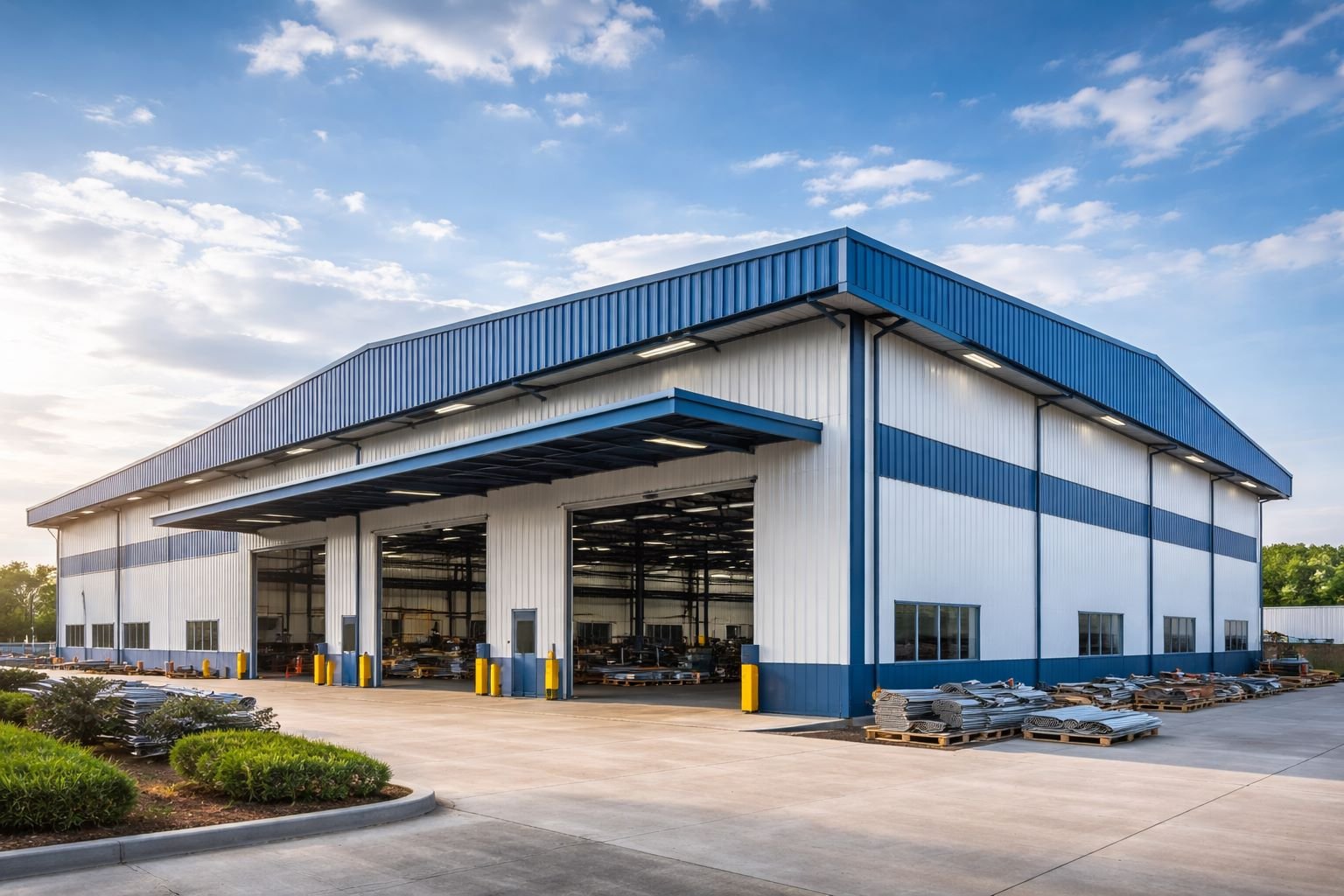
How to Choose the Right Metal Roofing System for Your Industrial Building
Introduction The roofing system is one of the most critical components of any industrial building. Whether it’s a warehouse, factory, manufacturing unit, logistics hub, cold storage, or industrial shed, the roof directly impacts safety, durability, energy efficiency, and long-term operational costs. A poor-quality roofing system can lead to problems such as: Water leakage Heat buildup High energy consumption Frequent maintenance Structural damage Reduced building life This is why choosing the right metal roofing system is not just a construction decision — it is a long-term business investment. Metal roofing systems are widely used in industrial construction because of their strength, durability, flexibility, and low maintenance. But not all metal roofing systems are the same. Choosing the right one requires proper planning, technical understanding, and future-focused thinking. This guide will help you understand the key factors that will help you select the best metal roofing system for your industrial building. 1. Understand Your Building Requirements Before selecting any roofing system, you must clearly understand your building’s functional needs: Ask these questions: What is the purpose of the building? (warehouse, factory, cold storage, manufacturing unit) What machinery will be installed? Will temperature control be required? Is heavy ventilation needed? What is the roof span and load requirement? Different industrial buildings have different roofing needs. A cold storage facility requires insulation, while a manufacturing unit may require strong ventilation and load-bearing roofing. Right decision starts with right planning. 2. Choose the Right Roofing Material Material quality is the foundation of a strong roofing system. Common Metal Roofing Materials: Galvanized steel Color-coated steel Galvalume sheets Aluminum roofing sheets For industrial use, high-grade coated steel sheets are the most preferred because they offer: Corrosion resistance Long life High strength Weather protection Low maintenance Always ensure that the material is industry-grade certified and suitable for heavy-duty industrial use. 3. Consider Climate & Environmental Conditions Your roofing system must be designed according to local climate conditions. Factors to consider: High temperature zones Heavy rainfall areas Coastal (corrosion-prone) regions Wind-prone zones Dust and pollution levels For example: Hot climates require heat-reflective roofing Coastal areas require anti-corrosion coatings Rainy regions need strong drainage systems Choosing roofing without considering climate leads to long-term damage and high maintenance costs. 4. Focus on Thermal Insulation & Energy Efficiency One of the biggest advantages of modern metal roofing systems is energy efficiency. Insulation Options: Puff panels Thermal insulation sheets Sandwich panels Insulated roofing systems Benefits of insulated roofing: Maintains indoor temperature Reduces heat transfer Saves electricity costs Improves working conditions Increases operational efficiency If your building involves machinery, storage, or workforce operations, insulation is not optional — it’s essential. 5. Load-Bearing Capacity & Structural Strength Industrial buildings are subjected to: Wind loads Rainwater loads Equipment loads Structural pressure Expansion loads Your metal roofing system must be engineered to handle all these forces safely. A professionally designed steel roofing system ensures: Structural stability Long-term safety Building integrity Risk-free operations Never compromise on structural design quality for cost-saving. 6. Waterproofing & Drainage System Water leakage is one of the most common roofing problems in industrial buildings. Key elements: Proper sheet overlap High-quality fasteners Sealants Ridge covers Gutters Drainage channels A good roofing system is not just about sheets — it’s about the complete roofing ecosystem. 7. Durability & Corrosion Resistance Industrial environments often include: Chemicals Moisture Heat Dust Pollution This makes corrosion resistance extremely important. Choose roofing systems with: Anti-corrosion coatings Protective paint layers Galvanized treatment Long-life finishes This ensures long-term durability and reduces replacement costs. 8. Maintenance Requirements A good metal roofing system should require minimal maintenance. Low-maintenance roofing offers: Cost savings Operational continuity Long life cycle Reduced downtime Always choose roofing systems that are easy to inspect, repair, and maintain. 9. Professional Design & Installation Even the best roofing material will fail if installation is poor. Always work with: Professional steel building companies Experienced installation teams Engineering experts Certified suppliers Professional execution ensures: Safety Accuracy Structural reliability Long-term performance 10. Long-Term Cost vs Short-Term Cost Many businesses make the mistake of choosing roofing based on initial cost only. But the real cost includes: Maintenance Repairs Energy consumption Downtime Replacement A slightly higher initial investment in quality roofing saves huge costs in the long term. Conclusion Choosing the right metal roofing system for your industrial building is a strategic decision that directly impacts safety, performance, energy efficiency, durability, and business growth.
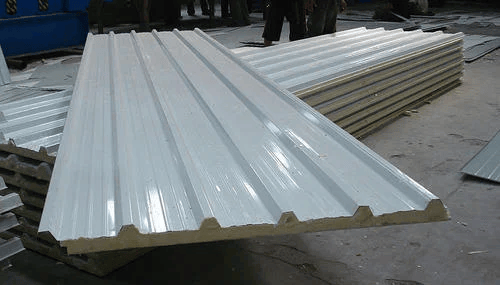
Pre-Engineered Buildings vs Traditional Construction – Which is Better?
Introduction When planning any industrial, commercial, or infrastructure project, one of the most important decisions is choosing the right construction method. For decades, traditional construction (RCC and brick structures) has been the standard approach. However, with the rapid growth of industries, logistics, warehousing, and manufacturing sectors, a new system has gained massive popularity — Pre-Engineered Buildings (PEB). Today, businesses want faster project completion, lower costs, better durability, and long-term performance. This shift in requirements has made pre-engineered steel buildings a preferred choice over conventional construction methods. But the big question remains: 👉 Which is better – Pre-Engineered Buildings or Traditional Construction? To answer this, let’s compare both systems across key parameters like speed, cost, strength, maintenance, sustainability, and long-term value. 1. Construction Speed Traditional Construction Traditional construction involves multiple on-site activities such as: Brickwork Cement curing RCC framework Plastering Manual processes These steps require time for curing and setting, making the construction process slow and dependent on weather conditions and labor availability. Pre-Engineered Buildings (PEB) In PEB construction, building components are: Designed using advanced engineering software Manufactured in factories Quality-checked in controlled environments Assembled on-site This reduces construction time by 40% to 60% compared to traditional methods. Winner: ✅ Pre-Engineered Buildings 2. Cost Efficiency Traditional Construction Traditional buildings involve: High labor costs Material wastage Longer project timelines Rework and errors Higher maintenance costs All these factors increase overall project cost. Pre-Engineered Buildings PEB systems are cost-efficient because: Materials are precisely engineered Minimal wastage Faster completion reduces labor cost Low maintenance Optimized steel usage This results in lower construction cost + better ROI. Winner: ✅ Pre-Engineered Buildings 3. Structural Strength & Safety Traditional Construction RCC structures are strong but: Heavy in weight Rigid in design Less flexible during seismic activities Limited long-span capacity Pre-Engineered Buildings Steel structures offer: High load-bearing capacity Flexibility during earthquakes Better wind resistance Long-span construction without columns Lightweight but strong framework Steel buildings are scientifically engineered to handle environmental stress more efficiently. Winner: ✅ Pre-Engineered Buildings 4. Design Flexibility Traditional Construction Design changes in traditional construction are difficult and expensive. Future expansion often requires major structural modifications. Pre-Engineered Buildings PEB systems offer: Modular designs Easy future expansion Custom height and span Flexible layouts Scalable infrastructure This makes steel buildings ideal for growing industries and businesses. Winner: ✅ Pre-Engineered Buildings 5. Maintenance & Durability Traditional Construction Traditional buildings require: Frequent repairs Crack filling Leakage treatment Painting Structural maintenance This increases long-term maintenance cost. Pre-Engineered Buildings Steel buildings: Are corrosion-resistant (with proper coatings) Require minimal maintenance Have longer life cycles Offer consistent performance Winner: ✅ Pre-Engineered Buildings 6. Energy Efficiency Traditional Construction Traditional buildings often lack proper insulation systems, leading to: High heat absorption High energy consumption Poor temperature control Pre-Engineered Buildings Steel buildings support: Puff panels Thermal insulation Insulated roofing Energy-efficient ventilation systems This improves energy efficiency and reduces electricity costs. Winner: ✅ Pre-Engineered Buildings 7. Sustainability & Environmental Impact Traditional Construction Traditional construction generates: High material waste Dust pollution High carbon footprint Non-recyclable waste Pre-Engineered Buildings Steel buildings are: Recyclable Environment-friendly Low-waste construction systems Sustainable building solutions Winner: ✅ Pre-Engineered Buildings 8. Long-Term Business Value Traditional Construction Traditional buildings: Take longer to build Cost more in maintenance Are difficult to modify Have lower operational efficiency Pre-Engineered Buildings Steel buildings: Deliver faster ROI Offer low operational cost Support business scalability Provide long-term performance Reduce downtime Winner: ✅ Pre-Engineered Buildings Comparison Table (Quick View) Factor Traditional Construction Pre-Engineered Buildings Speed Slow Fast Cost High Cost-effective Strength Good Excellent Maintenance High Low Expansion Difficult Easy Sustainability Low High Energy Efficiency Low High ROI Moderate High Conclusion: Which Is Better? There is no doubt that traditional construction has played a major role in infrastructure development over the years. However, modern construction demands speed, efficiency, sustainability, and long-term value — and this is where pre-engineered buildings clearly outperform traditional construction. Pre-Engineered Buildings are better because they offer: ✔ Faster construction✔ Lower cost✔ High structural strength✔ Low maintenance✔ Energy efficiency✔ Sustainability✔ Business scalability✔ Long-term ROI For industries, warehouses, factories, logistics hubs, and commercial buildings, pre-engineered steel buildings are the smarter, stronger, and future-ready choice.
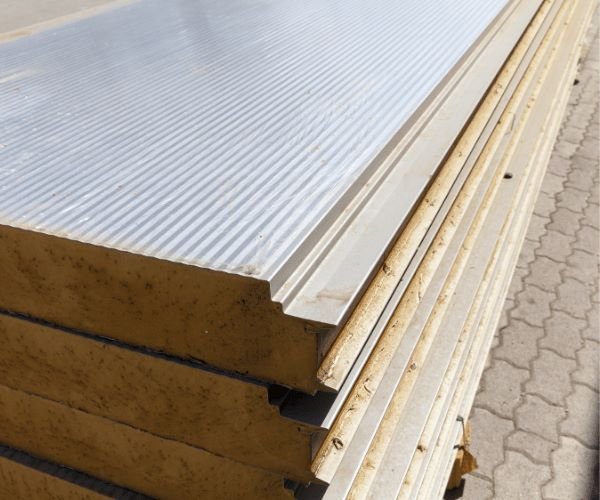
Top 7 Benefits of Pre-Engineered Steel Buildings for Industrial Projects
Introduction In today’s fast-growing industrial world, speed, strength, and efficiency are the three most important factors in construction. Traditional construction methods are no longer able to meet the growing demand for faster project completion and cost-effective infrastructure. This is where pre-engineered steel buildings (PEB) are transforming the construction industry. Pre-engineered steel buildings are factory-fabricated structures that are designed, manufactured, and assembled using advanced engineering techniques. These buildings are widely used for warehouses, factories, industrial sheds, manufacturing plants, logistics centers, cold storage units, and commercial buildings. Businesses today are shifting towards steel buildings because they offer long-term value, durability, and performance. Let’s explore the major benefits of pre-engineered steel buildings for industrial projects. 1. Faster Construction Time One of the biggest advantages of pre-engineered steel buildings is speed of construction. Unlike traditional RCC construction, where work is done completely on-site, PEB components are manufactured in factories under controlled conditions and then assembled on-site. This process reduces construction time by up to 40–60%, allowing industries to start operations faster, reduce project delays, and save on labor costs. For industrial projects where time equals money, this is a major advantage. 2. Cost-Effective Construction Steel buildings are highly cost-efficient due to: Reduced material wastage Lower labor requirements Faster project completion Optimized material usage Low maintenance cost Because steel structures are pre-designed and pre-fabricated, there is minimal wastage of material, making them more economical than conventional construction. Over the long term, steel buildings also save money due to low maintenance and high durability. 3. High Structural Strength and Durability Steel is one of the strongest construction materials available. Pre-engineered steel buildings are designed to handle: Heavy loads Strong winds Seismic activity Harsh weather conditions Long spans without internal columns This makes steel buildings ideal for large industrial spaces like warehouses and factories where open space and strength are essential. 4. Design Flexibility and Customization PEB systems offer high design flexibility. Buildings can be customized in terms of: Height and width Span length Roofing systems Insulation Ventilation Future expansion This flexibility allows industries to design buildings that perfectly match their operational needs. 5. Low Maintenance and Long Life Steel buildings require minimal maintenance compared to traditional buildings. With proper coatings and treatments, steel structures are resistant to corrosion, termites, and moisture damage. This ensures a long life span and low repair cost. 6. Energy Efficiency With the use of puff panels, insulation sheets, and thermal roofing systems, steel buildings maintain indoor temperature effectively. This reduces energy consumption and improves operational efficiency. 7. Environment-Friendly Construction Steel is 100% recyclable, making it an eco-friendly construction material. Pre-engineered buildings also reduce construction waste, making them a sustainable building solution. Conclusion Pre-engineered steel buildings are the future of industrial construction. They offer speed, strength, cost savings, durability, and sustainability, making them the smartest choice for modern industries. SEO Keywords:pre-engineered steel buildings, PEB benefits, industrial steel buildings, steel structure construction, prefabricated steel buildings